Expert Solutions For Common Drywall Issues
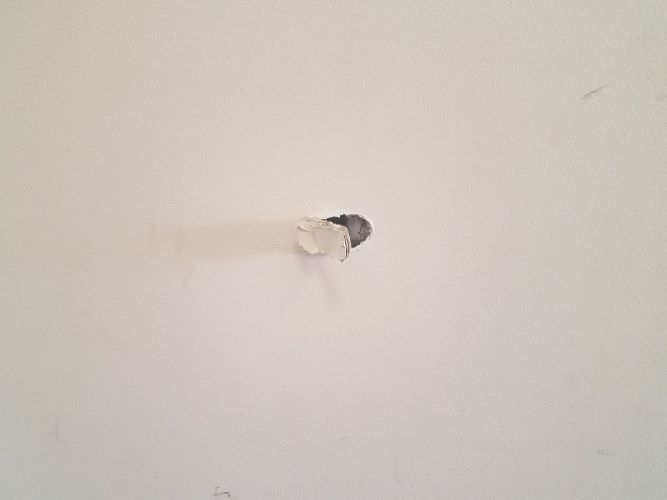
Drywall is a ubiquitous building material known for its versatility and ease of installation. However, like any construction material, it's not immune to issues that can arise over time. In this article, we'll explore some of the common drywall issues faced by homeowners and provide practical solutions to address them.
1. Drywall Cracks:
One of the most common issues with drywall is cracking, which can occur due to various factors such as settling of the foundation, temperature fluctuations, or poor installation techniques. To address drywall cracks, start by identifying the underlying cause. If the cracks are small and superficial, they can be easily repaired using joint compound and mesh tape. For larger or recurring cracks, it may be necessary to investigate and address structural issues before repairing the drywall.
2. Nail Pops:
Nail pops occur when the drywall nails or screws become loose and push through the surface of the drywall, creating unsightly bumps or indentations. To fix nail pops, first, remove the loose fastener and replace it with a new one, making sure to drive it flush with the surface of the drywall. Then, cover the area with joint compound, feathering the edges to blend with the surrounding surface. Once the compound is dry, sand the area smooth and apply a fresh coat of paint.
3. Water Damage:
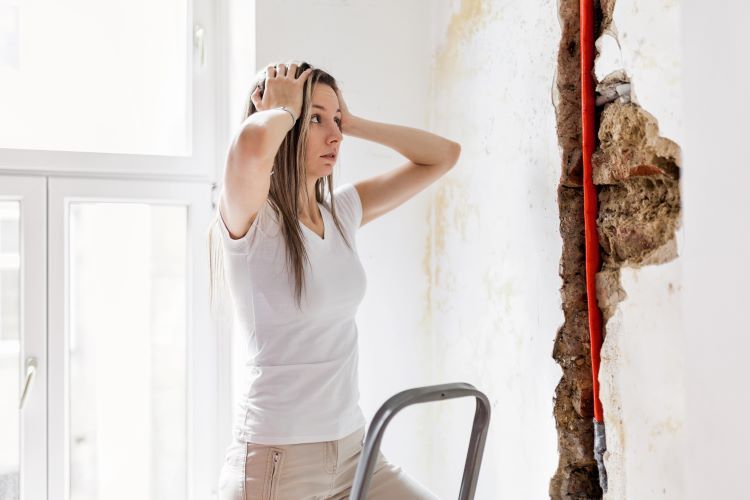
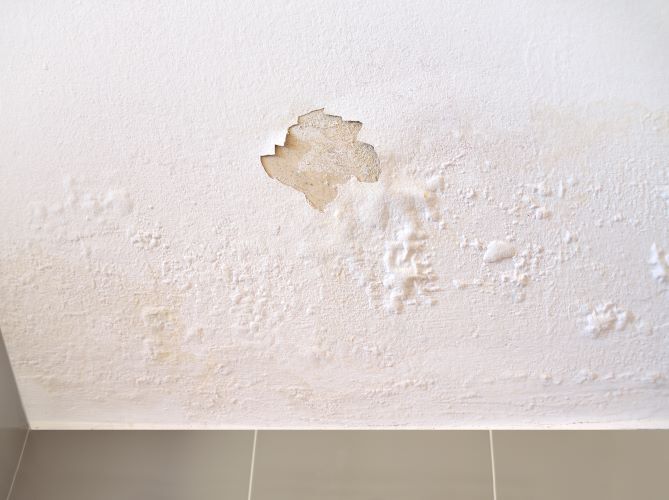
Water damage is a significant concern for drywall, as it can lead to mold growth, warping, and deterioration of the material. If you notice signs of water damage such as discoloration, swelling, or softening of the drywall, it's essential to address the issue promptly. Start by identifying and repairing the source of the water intrusion, whether it's a leaky roof, plumbing issue, or moisture seeping in from the exterior. Once the source is fixed, remove any damaged drywall and replace it with new material. Be sure to thoroughly dry the affected area before installing new drywall to prevent mold growth.
4. Poor Finishing:
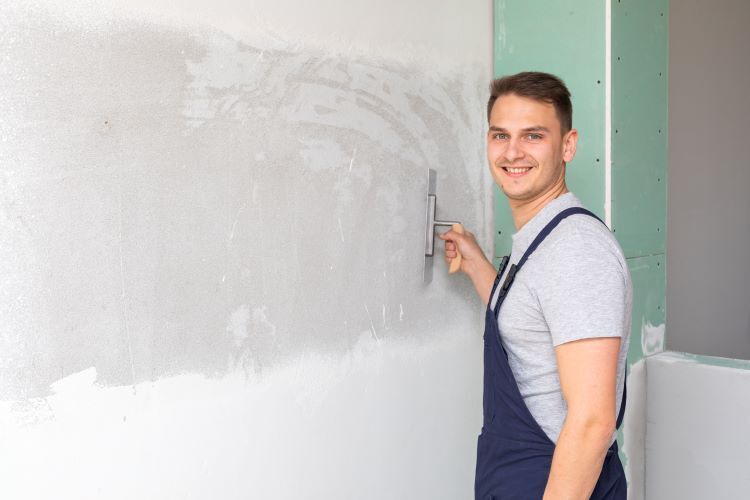
Improper finishing techniques can result in visible seams, ridges, or uneven texture on the surface of the drywall. To achieve a smooth and seamless finish, it's essential to use high-quality joint compound and apply it evenly over the joints and screw indentations. Sand the dried compound smooth between coats and feather the edges to blend with the surrounding surface. Additionally, proper sanding and priming before painting can help achieve a professional-looking finish.
5. Sagging or Bulging Drywall:
Sagging or bulging drywall is often caused by inadequate support or moisture damage. To address this issue, start by reinforcing the affected area with additional screws or drywall adhesive to provide extra support. If moisture is the culprit, identify and fix the source of the moisture before repairing the drywall. Once the underlying issue is resolved, carefully cut out the damaged section of drywall and replace it with new material, ensuring proper support and attachment.
Conclusion:
While drywall is a durable and versatile building material, it can still experience issues over time. By understanding the common drywall issues and implementing the appropriate solutions, homeowners can maintain the integrity and appearance of their drywall surfaces. London Drywallers is committed to providing expert drywall repair and installation services to address any issues you may encounter. Contact us today for reliable solutions to your drywall needs.