Drywall Installation for Renovations vs. New Construction

When planning a construction or remodeling project, drywall installation is one of the most critical steps in achieving a polished, functional interior. However, the process can vary significantly depending on whether you’re working on a renovation or a new construction build. At London Drywallers, we specialize in both, and understanding the differences can help you better prepare for your project in London, Ontario.
Understanding the Basics of Drywall Installation
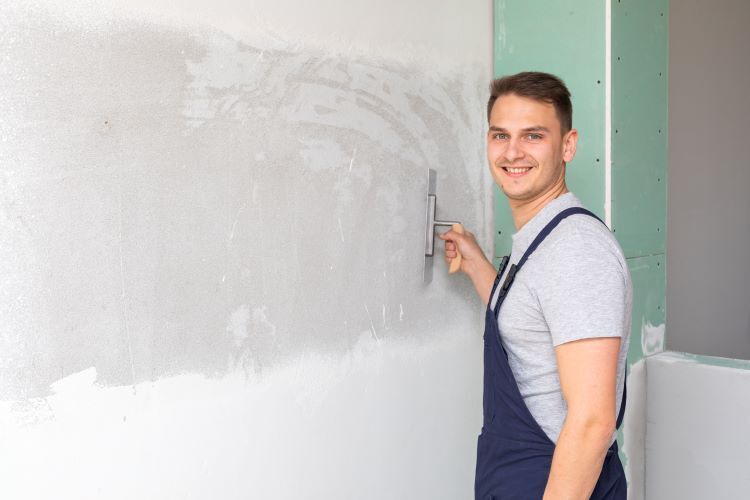
Drywall, also known as gypsum board, is used to create smooth walls and ceilings in residential and commercial spaces. The installation process typically includes measuring, cutting, fastening panels, taping joints, applying compound, sanding, and finishing.
While these steps are consistent across projects, the environment and conditions of the job site can greatly impact how the work is carried out.
Drywall Installation in New Construction
New construction projects offer a clean slate, which simplifies many aspects of drywall installation.
Advantages
1. Open and Accessible Workspaces
Without existing walls or structures in the way, installers have full access to framing, making it easier to measure, cut, and install drywall efficiently.
2. Consistent Framing
New builds typically feature straight, uniform framing, which allows for smoother installation and a more even finish.
3. Faster Installation Timeline
With fewer obstacles and no need for demolition, drywall installation in new construction is generally quicker and more straightforward.
Considerations
Even in new builds, proper scheduling is crucial. Drywall should only be installed after electrical, plumbing, and HVAC rough-ins are complete and inspected.
Drywall Installation in Renovations
Renovation projects present a different set of challenges that require experience and adaptability.
Challenges
1. Working Around Existing Structures
Installers often need to navigate around existing walls, ceilings, and fixtures, which can slow down the process and require more precise cutting.
2. Uneven Surfaces and Framing
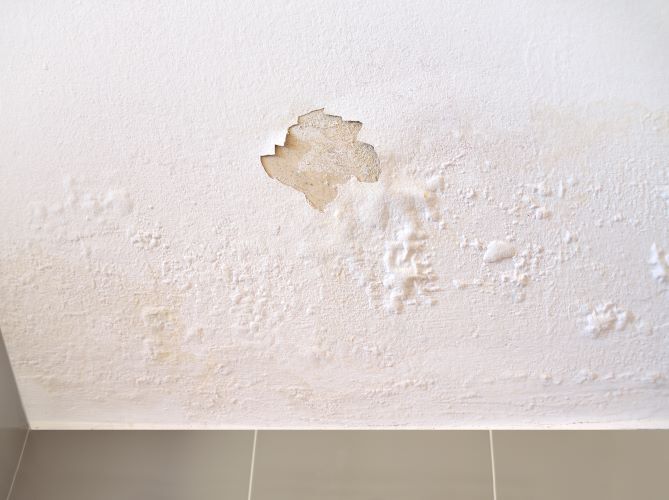
Older homes may have warped studs, uneven ceilings, or non-standard spacing, making it more difficult to achieve a seamless finish.
3. Demolition and Prep Work
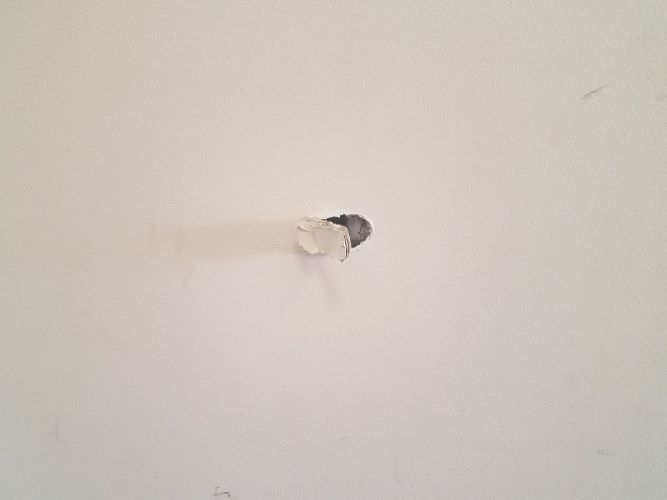
Before installation can begin, old drywall may need to be removed, and the area must be cleaned and prepared. This adds time and labor to the project.
Advantages
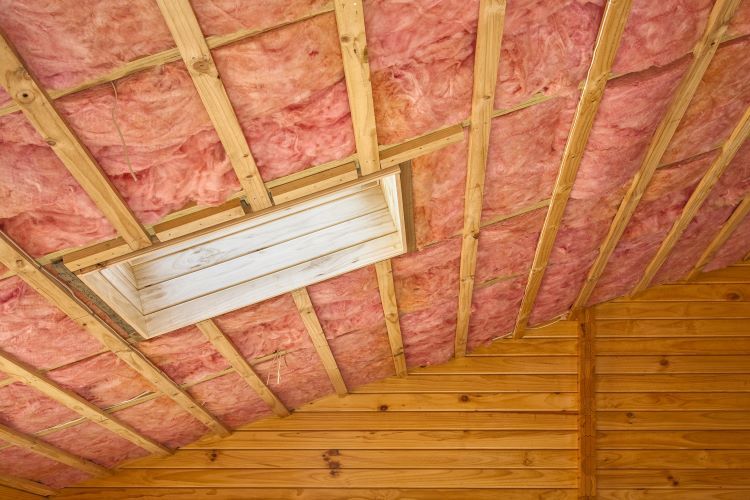
Despite the challenges, renovations offer the opportunity to upgrade insulation, improve soundproofing, and modernize interior layouts.
Key Differences at a Glance
- Project Environment: Open and new vs. confined and existing
- Installation Speed: Faster in new construction, slower in renovations
- Complexity: Lower in new builds, higher in renovations
- Preparation Work: Minimal vs. extensive demolition and repairs
Choosing the Right Approach
Whether you’re building a new home or upgrading an existing space, working with experienced professionals ensures high-quality results. At London Drywallers, we tailor our approach to meet the specific demands of each project, ensuring durability, precision, and a flawless finish.
Why Choose London Drywallers?
- Experienced in both residential renovations and new construction projects
- Skilled team equipped to handle complex installations
- Commitment to quality workmanship and customer satisfaction
- Local expertise serving homeowners and builders in London, Ontario
Drywall installation may seem straightforward, but the differences between renovations and new construction can significantly impact the process, timeline, and outcome. By understanding these differences and working with a trusted local contractor, you can ensure your project runs smoothly from start to finish.
If you’re planning a drywall project in London, Ontario, London Drywallers is here to help every step of the way.