The Purpose of Mudding Drywall

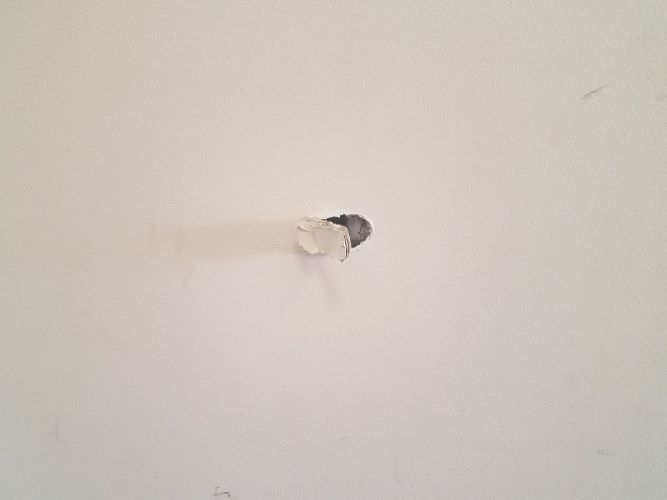
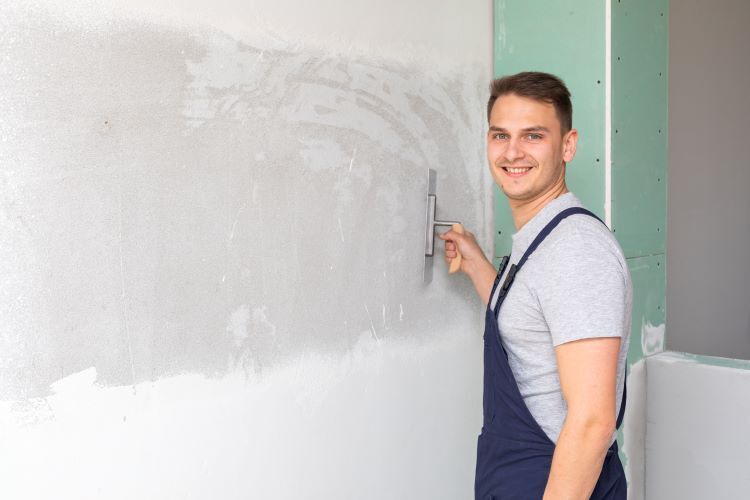
When it comes to achieving a smooth and seamless finish on your drywall surfaces, mudding plays a crucial role. As one of the final steps in the drywall installation process, mudding, also known as taping and finishing, involves filling in joints, seams, and imperfections to create a flawless surface ready for painting or wallpapering. In this article, we'll explore the purpose of mudding and why it's an essential step in the drywall finishing process.
1. Seam Concealment:
One of the primary purposes of mudding is to conceal the seams and joints between drywall panels. Even with careful installation, there will inevitably be gaps and irregularities that need to be filled and smoothed out. Mudding allows drywall installers to create a seamless transition between panels, ensuring that the finished surface appears uniform and professional.
2. Structural Integrity:
In addition to providing a smooth surface, mudding also helps to reinforce the structural integrity of the drywall. By filling in gaps and seams with joint compound, mudding strengthens the connections between panels, preventing cracks and reducing the risk of future damage. This is especially important in high-traffic areas or areas prone to movement, such as ceilings and corners.
3. Aesthetic Appeal:
Mudding plays a significant role in enhancing the aesthetic appeal of your walls and ceilings. Once the seams and joints have been filled and smoothed out, the surface is ready for paint or wallpaper application. A well-mudded surface provides a clean and professional-looking finish, free of visible seams or imperfections. Whether you're painting your walls a bold color or applying a subtle wallpaper pattern, mudding ensures that the final result is visually pleasing.
4. Moisture Resistance:
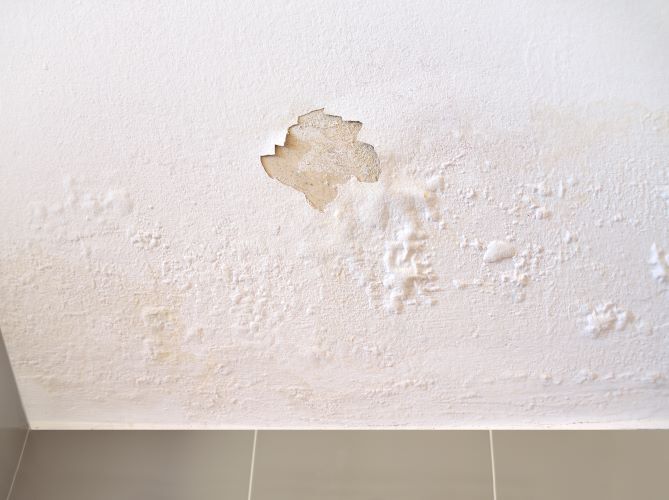
Properly mudding your drywall also helps to improve its moisture resistance. Joint compound acts as a barrier, preventing moisture from seeping into the seams and causing damage to the drywall material. This is particularly important in areas such as bathrooms, kitchens, and basements, where moisture levels may be higher and the risk of water damage is increased.
5. Longevity:
Lastly, mudding helps to prolong the lifespan of your drywall by protecting it from wear and tear. By filling in gaps and reinforcing seams, mudding helps to prevent cracks, dents, and other forms of damage that can occur over time. This ensures that your walls and ceilings maintain their integrity and appearance for years to come, reducing the need for costly repairs or replacements down the line.
In conclusion, mudding is a critical step in the drywall finishing process that serves multiple purposes. From concealing seams and joints to enhancing structural integrity and moisture resistance, mudding plays a vital role in creating smooth, durable, and visually appealing surfaces. As experienced professionals at London Drywallers, we understand the importance of proper mudding techniques and take pride in delivering flawless results on every project. Contact us today to learn more about our drywall installation and finishing services!