How Drywall Framing is Done

When it comes to creating sturdy, reliable walls, drywall framing is an essential step in the construction process. As one of the leading drywall companies in London, Ontario, London Drywallers is here to shed light on how drywall framing works, what it entails, and the materials needed to get the job done right.
What is Drywall Framing?
Drywall framing, also known as stud framing, is the process of creating a structural framework to support drywall panels. This framework, made of wood or metal studs, provides the backbone for the walls and ceilings in residential and commercial buildings.
How Does Drywall Framing Work?
- Planning: The first step in drywall framing is careful planning. Builders determine the layout of the walls and ceilings, considering factors such as room dimensions, door and window placements, and any architectural features.
- Marking: Once the layout is established, builders mark the locations of the wall studs on the floor and ceiling. This ensures accurate placement and alignment during the framing process.
- Installation: With the locations marked, builders begin installing the wall studs. Wooden studs are the traditional choice for framing, but metal studs are also common due to their durability and resistance to moisture and pests. The studs are secured to the floor and ceiling using nails or screws, creating a sturdy framework.
- Headers and Supports: In areas where doors, windows, or other openings are present, builders install headers and supports to provide additional structural support. These components help distribute weight evenly and prevent sagging or bowing over time.
- Bracing and Blocking: To further strengthen the frame, builders add bracing and blocking between studs as needed. This helps prevent twisting or shifting of the frame and provides additional support for fixtures such as cabinets or shelves.
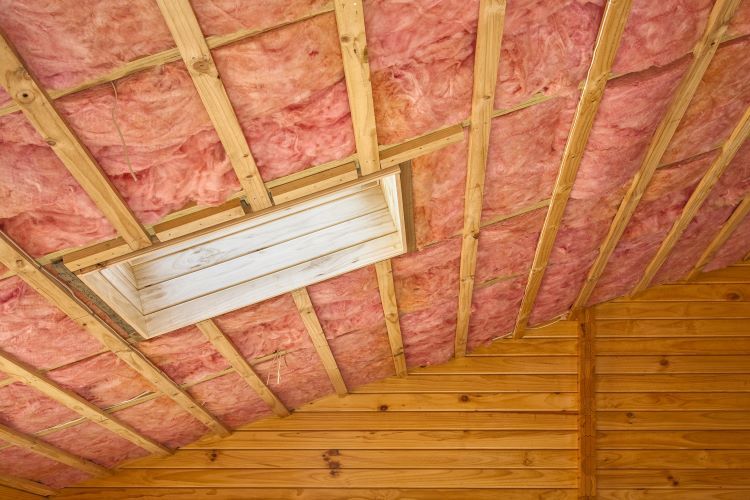
- Insulation and Wiring: Before drywall installation, builders may add insulation between the studs for thermal and sound insulation. Additionally, wiring for electrical outlets, switches, and light fixtures is run through the studs to provide power to the room.
- Final Inspection: Once the framing is complete, builders conduct a final inspection to ensure everything is structurally sound and meets building codes and regulations.
Materials Needed for Drywall Framing:
- Studs: Wooden or metal studs form the framework of the walls and ceilings.
- Nails or screws: Used to secure the studs to the floor, ceiling, and each other.
- Headers and supports: Provide additional support around doors, windows, and other openings.
- Bracing and blocking: Reinforce the frame and provide support for fixtures.
- Insulation: Provides thermal and sound insulation between studs.
- Wiring: Electrical wiring is run through the studs to provide power to the room.
Conclusion:
Drywall framing is a crucial step in the construction process, providing the structural support necessary for sturdy and reliable walls and ceilings. By understanding how drywall framing works and the materials needed, London Drywallers ensures that every project is completed to the highest standards of quality and craftsmanship. Contact us today for expert drywall framing services in London, Ontario, and see the difference that professional expertise can make in your construction project.