Exploring Drywall Insulation

Drywall insulation is a crucial component of any building or renovation project, providing thermal and acoustic benefits while also enhancing energy efficiency and comfort. As one of London Drywallers' specialties, we recognize the importance of choosing the right type of insulation for your specific needs. Let's explore the types of drywall insulation available and why it's essential for your home or commercial space.
Types of Drywall Insulation:
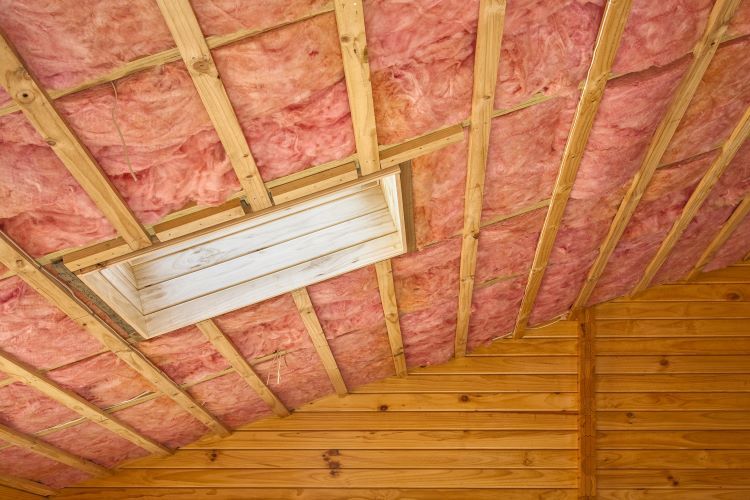
- Fiberglass Insulation: Fiberglass insulation is one of the most common types used in drywall applications. It consists of tiny glass fibers that are spun and compressed into batts or rolls. Fiberglass insulation is known for its excellent thermal performance, fire resistance, and affordability. It comes in various thicknesses and R-values to accommodate different insulation requirements.
- Cellulose Insulation: Made from recycled paper fibers treated with fire-retardant chemicals, cellulose insulation offers excellent thermal and acoustic properties. It is environmentally friendly, cost-effective, and provides effective soundproofing. Cellulose insulation is often blown into wall cavities or attic spaces to achieve maximum coverage and energy efficiency.
- Spray Foam Insulation: Spray foam insulation is a versatile option that expands upon application to fill gaps, cracks, and irregular spaces. It forms an airtight seal, providing superior thermal insulation and reducing air infiltration. While spray foam insulation tends to be more expensive than other types, it offers exceptional energy savings and can be applied quickly and efficiently.
- Mineral Wool Insulation: Mineral wool, also known as rock wool or slag wool, is made from natural rock or blast furnace slag. It is highly fire-resistant, moisture-resistant, and offers excellent thermal and acoustic insulation properties. Mineral wool insulation is available in batts, rolls, or loose-fill form and is suitable for both interior and exterior walls.
Importance of Drywall Insulation:
- Energy Efficiency: Proper insulation helps to regulate indoor temperatures, reducing the need for heating and cooling and lowering energy costs. By minimizing heat transfer through walls and ceilings, drywall insulation helps maintain a comfortable indoor environment year-round.
- Soundproofing: Insulated walls and ceilings absorb sound vibrations, reducing noise transmission between rooms and floors. This is particularly important in residential settings, where privacy and tranquility are valued.
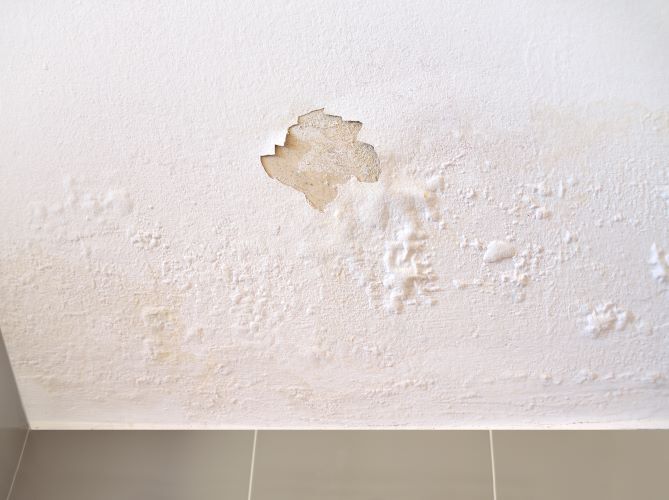
- Moisture Control: Insulation acts as a barrier against moisture infiltration, preventing condensation and mold growth. This is especially crucial in humid climates or areas prone to moisture issues.
- Comfort: Well-insulated spaces are more comfortable to inhabit, with fewer drafts, temperature fluctuations, and hot or cold spots. Drywall insulation helps create a cozy and inviting atmosphere for occupants.
- Environmental Impact: Choosing eco-friendly insulation materials, such as cellulose or mineral wool, can reduce your carbon footprint and contribute to sustainable building practices.
In conclusion, drywall insulation plays a vital role in enhancing the comfort, energy efficiency, and acoustic performance of residential and commercial spaces. London Drywallers offers a wide range of insulation options tailored to your specific needs and budget. Contact us today to learn more about our drywall insulation services and how we can help you achieve a more comfortable and sustainable living environment.