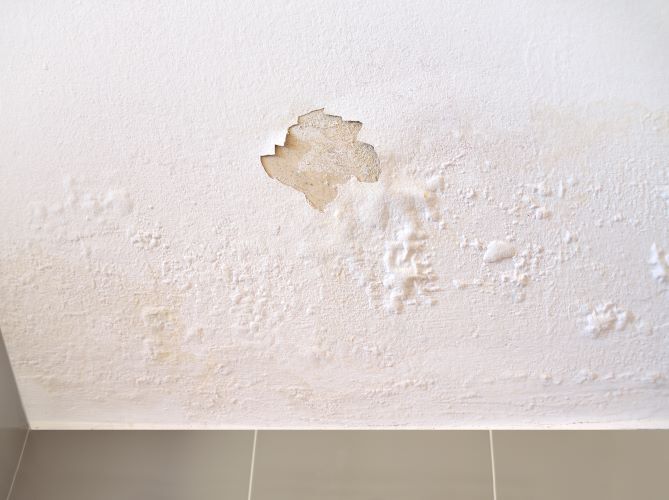
How to Prevent and Fix Drywall Cracks

Drywall cracks can be a common issue in many homes, often caused by factors such as settling, temperature fluctuations, or improper installation. While they may seem minor at first, untreated cracks can worsen over time, leading to more significant structural issues and costly repairs. At London Drywallers, we understand the importance of addressing drywall cracks promptly to maintain the integrity and appearance of your walls. In this article, we'll discuss how you can prevent and fix drywall cracks effectively.
Preventing Drywall Cracks:
- Proper Installation: Ensure that drywall panels are installed correctly, with adequate spacing between panels and secure attachment to the framing. Improper installation can lead to stress on the joints, increasing the likelihood of cracks.
- Control Moisture Levels: Moisture can weaken drywall and contribute to cracking. Maintain consistent humidity levels in your home and address any water leaks or moisture issues promptly to prevent damage to your walls.
- Address Structural Issues: Address any underlying structural issues in your home, such as foundation settling or framing problems, that could contribute to drywall cracks. Consult with a professional contractor if you suspect structural issues are causing cracks in your walls.
- Use Flexible Joint Compound: When finishing drywall seams and corners, use a flexible joint compound that can withstand minor movement without cracking. This will help minimize the risk of cracks developing over time.
- Install Control Joints: In larger rooms or areas with significant temperature fluctuations, consider installing control joints in the drywall. These joints allow for natural expansion and contraction of the drywall, reducing the likelihood of cracks forming.
Fixing Drywall Cracks:
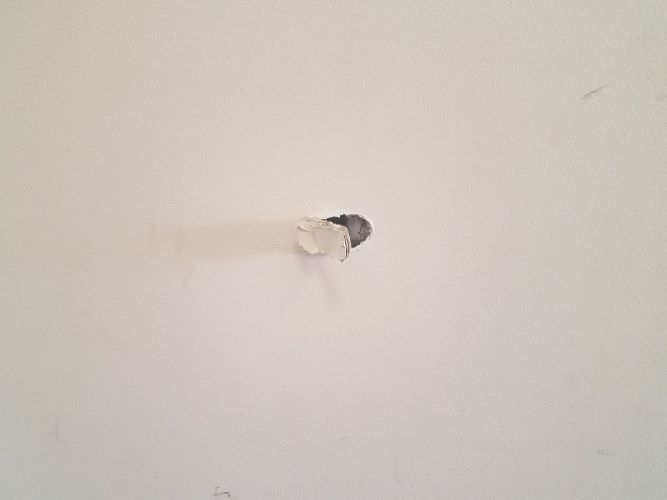
- Assess the Damage: Start by assessing the extent of the crack to determine the appropriate repair method. Small hairline cracks may only require cosmetic repairs, while larger cracks may indicate underlying structural issues that need addressing.
- Fill and Sand: For minor cracks, use a lightweight spackling compound to fill the crack and smooth the surface. Allow the compound to dry completely, then sand the area smooth with fine-grit sandpaper.
- Apply Joint Tape: For larger cracks or areas where the drywall tape has pulled away, apply self-adhesive mesh joint tape over the crack to provide additional reinforcement.
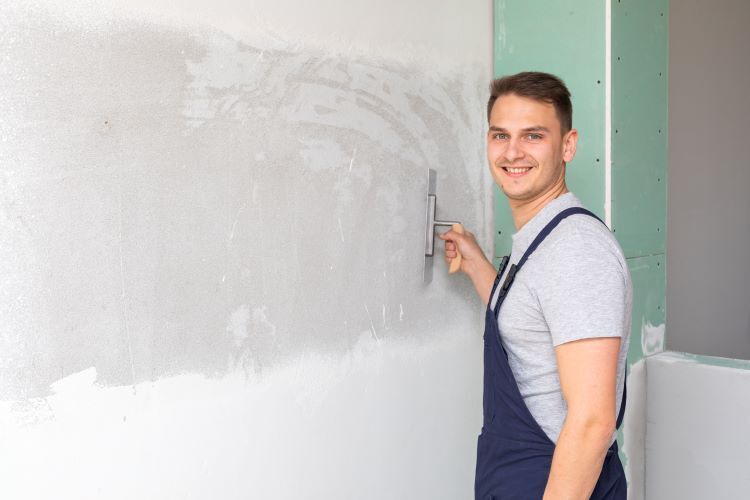
- Reapply Joint Compound: Apply a thin layer of joint compound over the taped area, ensuring that it blends smoothly with the surrounding wall surface. Feather the edges of the compound to create a seamless transition.
- Sand and Paint: Once the joint compound has dried, sand the repaired area smooth and prime it for painting. Apply matching paint to the repaired area to blend it with the surrounding wall surface.
By following these prevention and repair tips, you can effectively address drywall cracks and maintain the beauty and structural integrity of your walls. If you're unsure about how to handle drywall cracks or if you need assistance with repairs, don't hesitate to contact the professionals at London Drywallers. Our experienced team can provide expert advice and quality craftsmanship to ensure your drywall is in top condition.